बातम्या

ऑटोमोटिव्ह सेफ्टीमधील हेडलाइट्सची उत्क्रांती आणि महत्त्व

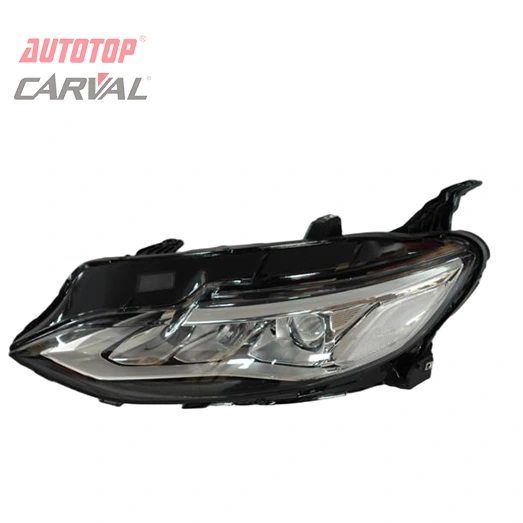
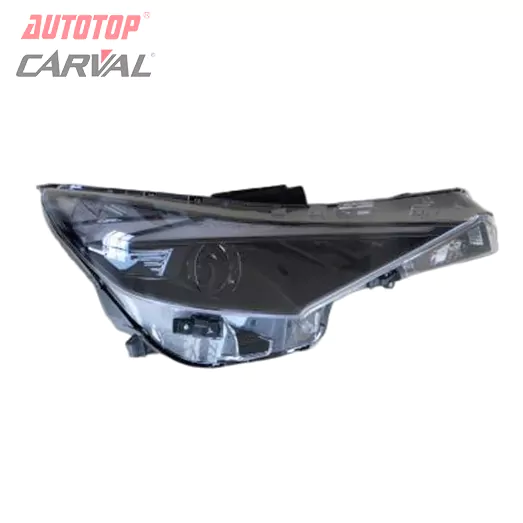
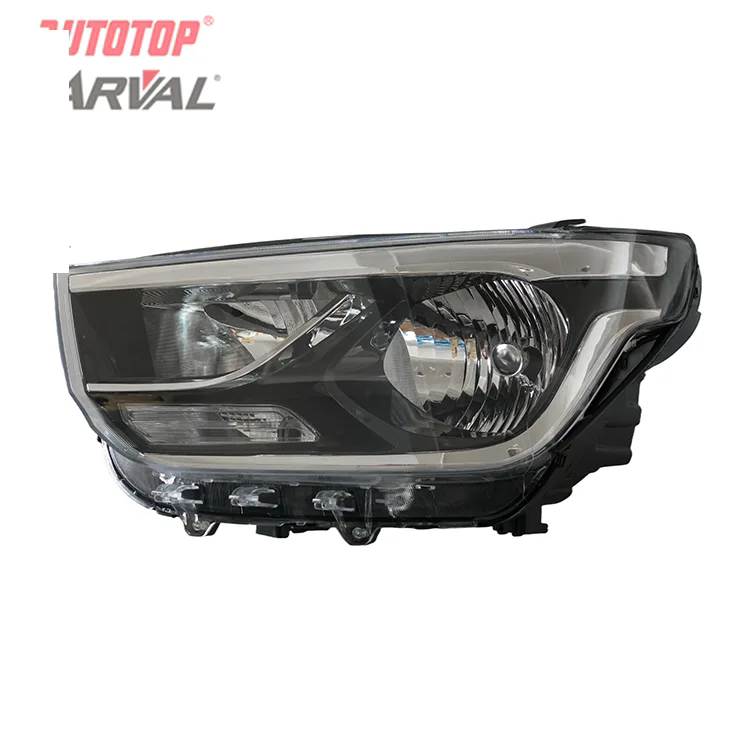
ऑटोमोबाईलचा शोध लागल्यापासून,हेडलाइट्सरात्रीच्या वेळी रस्ता प्रकाशित करण्याच्या सोप्या साधनापासून ते ऑटोमोटिव्ह सुरक्षा आणि डिझाइनमध्ये महत्त्वपूर्ण भूमिका बजावणाऱ्या अत्याधुनिक घटकापर्यंत विकसित झाले आहेत. वाहनावरील सर्वात आवश्यक प्रकाश व्यवस्थांपैकी एक म्हणून, हेडलाइट्स केवळ ड्रायव्हर्ससाठी दृश्यमानता वाढवत नाहीत तर पादचारी, सायकलस्वार आणि इतर वाहनचालकांसाठी वाहने अधिक लक्षवेधी बनवतात-विशेषत: कमी प्रकाशाच्या परिस्थितीत, खराब हवामानात किंवा पहाटे आणि संध्याकाळच्या वेळी.


ऑटोमोटिव्ह हेडलाइट्सचे सुरुवातीचे दिवस साधेपणा आणि मर्यादांद्वारे चिन्हांकित होते. 19व्या शतकाच्या उत्तरार्धात, घोडागाडीवर वापरल्या जाणाऱ्या वाहनांप्रमाणेच पहिल्या मोटारगाड्या तेलाच्या दिव्यांवर किंवा गॅसच्या दिव्यांवर अवलंबून होत्या. या दिव्यांनी एक मंद, चकचकीत प्रकाश निर्माण केला ज्याने कमीतकमी दृश्यमानता प्रदान केली, ज्यामुळे रात्री ड्रायव्हिंग करणे धोकादायक ठरले. 20 व्या शतकाच्या सुरुवातीस, इलेक्ट्रिक हेडलाइट्सने त्यांच्या दहन-आधारित पूर्ववर्ती बदलण्यास सुरुवात केली. पहिले इलेक्ट्रिक हेडलाइट्स, 1912 मध्ये सादर केले गेले, ते वाहनाच्या बॅटरीद्वारे चालवलेले इनॅन्डेन्सेंट बल्ब होते, जे अधिक उजळ आणि अधिक सुसंगत प्रकाश स्रोत प्रदान करतात. तथापि, त्यांच्याकडे अजूनही तोटे आहेत: त्यांनी लक्षणीय ऊर्जा वापरली, उष्णता निर्माण केली आणि कालांतराने त्यांची चमक कमी झाली.


अनेक दशकांमध्ये, तांत्रिक प्रगतीने हेडलाइट डिझाइन आणि कार्यप्रदर्शन बदलले. 20 व्या शतकाच्या मध्यात सीलबंद-बीम हेडलाइट्सचा परिचय झाला, ज्याने बल्ब, परावर्तक आणि लेन्स एका युनिटमध्ये एकत्रित केले. या डिझाइनमुळे टिकाऊपणा सुधारला आणि देखभाल गरजा कमी झाल्या, कारण बल्ब जळून गेल्यावर संपूर्ण असेंब्ली बदलली गेली. 1980 च्या दशकात, संमिश्र हेडलाइट्सचा उदय झाला, ज्यामुळे अधिक लवचिक शैली आणि प्रकाश वितरण चांगले झाले. या हेडलाइट्सने बल्बला रिफ्लेक्टर आणि लेन्सपासून वेगळे केले, ज्यामुळे ऑटोमेकर्सना लाइट आउटपुट ऑप्टिमाइझ करताना अधिक आकर्षक, अधिक वायुगतिकीय डिझाइन तयार करण्यास सक्षम केले.


Today, modern vehicles are equipped with a range of advanced headlight technologies, each offering unique benefits. Halogen headlights, which became widespread in the 1970s, use a tungsten filament enclosed in a halogen gas-filled bulb. They are affordable, easy to replace, and provide a warm, yellowish light that is familiar to most drivers. However, they are less energy-efficient and have a shorter lifespan compared to newer technologies.


Xenon HID (High-Intensity Discharge) headlights, introduced in the 1990s, represent a significant leap forward. These headlights use an electric arc between two electrodes in a xenon gas-filled bulb to produce a bright, white light that closely mimics natural daylight. HID headlights offer better visibility, longer range, and lower energy consumption than halogen bulbs. They also have a longer lifespan, making them a popular choice for luxury and high-performance vehicles. However, their higher cost and potential glare for oncoming drivers are notable drawbacks.


The latest innovation in headlight technology is LED (Light-Emitting Diode) headlights. LEDs are semiconductor devices that emit light when an electric current passes through them. They are highly energy-efficient, consuming up to 80% less power than halogen bulbs, and have an extremely long lifespan—often lasting the entire lifetime of the vehicle. LED headlights produce a crisp, white light that enhances contrast and reduces eye strain for drivers. Additionally, their compact size allows automakers to design intricate headlight shapes, adding to the vehicle’s aesthetic appeal. Many modern LED systems also feature adaptive technology, such as adaptive front-lighting systems (AFS), which adjust the direction and intensity of the light based on the vehicle’s speed, steering angle, and surrounding conditions. For example, when turning, AFS swivels the headlights to illuminate the curve, improving visibility around bends.


तांत्रिक प्रगतीपलीकडे, सुरक्षितता सुनिश्चित करण्यासाठी आणि चमक कमी करण्यासाठी हेडलाइट्स देखील कठोर नियमांच्या अधीन आहेत. सोसायटी ऑफ ऑटोमोटिव्ह इंजिनियर्स (SAE) आणि युनायटेड नेशन्स इकॉनॉमिक कमिशन फॉर युरोप (UNECE) सारख्या सरकारे आणि आंतरराष्ट्रीय संस्था, हेडलाइट ब्राइटनेस, बीम पॅटर्न आणि प्लेसमेंटसाठी मानके सेट करतात. या नियमांचे उद्दिष्ट आहे की ड्रायव्हरसाठी पुरेशा दृश्यमानतेच्या गरजेला जास्त चकाकण्यापासून संरक्षण देऊन, ज्यामुळे तात्पुरते अंधत्व येऊ शकते आणि अपघाताचा धोका वाढू शकतो.


The importance of headlights in automotive safety cannot be overstated. According to the National Highway Traffic Safety Administration (NHTSA), a significant percentage of traffic accidents occur during low-light conditions, and proper headlight use can reduce the risk of these accidents. In addition to illuminating the road, headlights also signal the presence of a vehicle to others, which is crucial in poor weather conditions such as rain, fog, or snow. Some modern vehicles also feature daytime running lights (DRLs), which are low-intensity headlights that stay on during daylight ho

संबंधित बातम्या
मला एक संदेश द्या
X
आम्ही तुम्हाला एक चांगला ब्राउझिंग अनुभव देण्यासाठी, साइट रहदारीचे विश्लेषण करण्यासाठी आणि सामग्री वैयक्तिकृत करण्यासाठी कुकीज वापरतो. ही साइट वापरून, तुम्ही आमच्या कुकीजच्या वापरास सहमती देता. गोपनीयता धोरण
नकार द्या स्वीकारा